

The landscape of retail is shifting rapidly as a new generation takes the lead. Today, the digital-first consumer is fundamentally changing how brands interact with their audience across the United States. These shoppers prioritize convenience, authenticity, and seamless online experiences above traditional store visits.
Understanding these Tendências de consumo entre jovens americanos is vital for any business looking to stay relevant. By embracing a digital-first consumer mindset, companies can better align their strategies with modern purchasing power. This evolution in behavior offers a unique window into the future of the American economy.
Key Takeaways
- Younger generations are prioritizing digital platforms for their daily shopping needs.
- Traditional retail strategies must adapt to meet the demand for instant, online gratification.
- Authenticity and brand values play a massive role in purchasing decisions today.
- Mobile-friendly experiences are no longer optional but essential for brand survival.
- Economic shifts are being driven by the tech-savvy habits of the modern youth.
The Digital-First Mindset of Modern American Youth
Digital platforms have fundamentally reshaped how young Americans discover, evaluate, and purchase products. For this generation, the boundary between the physical and digital worlds has effectively vanished. Connectivity is not just a convenience; it is a core expectation that drives every interaction with a brand.
The Role of Social Media in Discovery
Social media serves as the primary search engine for today’s youth. Instead of traditional advertising, they turn to platforms like TikTok and Instagram to find inspiration and validate their choices. These Gen Z shopping habits are deeply rooted in peer recommendations and influencer-led content.
“The most successful brands today are those that treat social media as a community space rather than a billboard.”
By engaging with content that feels authentic, brands can capture attention in a crowded digital marketplace. This shift requires companies to prioritize visual storytelling and community interaction to remain relevant. When a brand aligns with these Gen Z shopping habits, they build trust that traditional ads simply cannot replicate.
The Shift from Traditional Television to Streaming Platforms
The era of linear television has largely faded for younger demographics. They now prefer on-demand streaming services that offer highly personalized content experiences. This transition allows viewers to control their own schedules and avoid the interruption of standard commercials.
Streaming platforms provide a unique opportunity for brands to reach audiences through targeted, non-intrusive placements. By leveraging data-driven insights, companies can deliver messages that feel like a natural part of the viewing experience. Personalization is the key to maintaining engagement in an environment where consumers have endless choices at their fingertips.
Tendências de consumo entre jovens americanos and the Rise of Conscious Spending
Conscious spending has evolved from a niche lifestyle choice into a fundamental requirement for brands targeting the youth demographic. Today’s young shoppers are changing the retail landscape by putting their values at the forefront of every purchase. This shift represents a major change in the Tendências de consumo entre jovens americanos, where personal ethics now dictate market success.
Prioritizing Sustainability and Ethical Sourcing
Younger generations are increasingly wary of fast fashion and mass-produced goods that harm the environment. They actively seek out companies that prioritize sustainability and fair labor practices throughout their entire production cycle. When a brand demonstrates a genuine commitment to the planet, it often earns long-term ethical brand loyalty from these discerning buyers.
Many successful companies now highlight their use of recycled materials or carbon-neutral shipping to attract this audience. By focusing on the lifecycle of a product, businesses can align themselves with the core values of their customers. This approach is no longer optional; it is a vital component of modern retail strategy.
The Influence of Brand Transparency on Purchasing Decisions
Radical transparency has become the gold standard for building trust with modern consumers. Young Americans want to know exactly where their products come from and who made them. They are quick to abandon brands that hide their supply chain details or engage in “greenwashing” tactics.
Companies that openly share their corporate social responsibility reports often see higher engagement rates. This level of honesty fosters ethical brand loyalty, as customers feel like partners in a larger mission. Ultimately, these Tendências de consumo entre jovens americanos prove that conscious spending is here to stay, forcing companies to rethink their operational standards to remain relevant in a competitive market.
The Impact of Influencer Marketing on Brand Loyalty
Modern consumer behavior is undergoing a massive transformation as traditional advertising loses its grip on younger generations. Today, the influencer marketing impact is the primary force shaping how young people discover and commit to new brands. Instead of relying on glossy commercials, consumers now look to digital creators for guidance and validation.
Micro-Influencers versus Macro-Influencers
Brands often face a choice between the massive reach of macro-influencers and the niche focus of micro-influencers. While macro-influencers offer broad visibility, they often struggle to maintain the same level of personal connection with their audience. This is where micro-influencers shine, as they typically command significantly higher engagement rates within specific communities.
Choosing the right partner depends on the brand’s specific goals. Micro-influencers are often seen as more relatable, making them ideal for building long-term trust. By focusing on these smaller, highly active groups, companies can see a more meaningful influencer marketing impact on their bottom line.
Authenticity as the Primary Driver of Engagement
In an era of digital skepticism, authenticity has become the most valuable currency for any brand. Young consumers are quick to spot content that feels purely transactional or forced. They prefer partnerships that feel like genuine recommendations from a friend rather than a scripted sales pitch.
To succeed, brands must move away from rigid, overly polished campaigns. Instead, they should empower creators to share their honest experiences with products. When a brand prioritizes transparency, the influencer marketing impact becomes a powerful tool for fostering lasting loyalty and community growth.
Financial Habits and the Influence of Fintech
The landscape of personal finance is undergoing a radical transformation driven by the tech-savvy habits of American youth. Rapid fintech adoption is reshaping how the next generation interacts with their money every single day. This shift moves away from traditional banking toward seamless, technology-integrated financial management tools.
The Adoption of Buy Now, Pay Later Services
Young consumers are increasingly turning to Buy Now, Pay Later (BNPL) services to manage their budgets. These platforms provide greater accessibility to high-ticket items by breaking down costs into manageable installments. While this offers flexibility, it is essential to maintain healthy habits, such as 10 simple ways to save money, to ensure long-term financial stability.
Many users find that BNPL services act as a bridge for necessary purchases. By avoiding high-interest credit cards, they feel more in control of their immediate cash flow. Strategic use of these services has become a hallmark of modern consumer behavior.
Digital Wallets and the Decline of Physical Cash
The reliance on physical currency is fading as digital wallets become the standard for daily transactions. Most young Americans now prefer the convenience and security of mobile payment systems over carrying a bulky wallet. This trend highlights the broader impact of fintech adoption on everyday life.
Digital wallets offer a streamlined experience that fits perfectly into a fast-paced lifestyle. Whether paying for coffee or splitting a bill with friends, the process is now instantaneous. The following table illustrates how these modern methods compare to traditional financial habits.
| Feature | Traditional Banking | Modern Fintech |
|---|---|---|
| Payment Speed | Slow/Manual | Instant/Automated |
| Accessibility | Limited Hours | 24/7 Mobile Access |
| Tracking | Paper Statements | Real-time Analytics |
| Security | Physical Cards | Biometric Encryption |
The Experience Economy and Social Validation
The rise of the experience economy has fundamentally changed how young people spend their hard-earned money. Rather than accumulating material goods, many Americans are now prioritizing moments that offer lasting value. This shift reflects a deeper desire for personal growth and meaningful connection in an increasingly digital world.
Investing in Travel and Live Events
Young consumers often view travel and live events as essential investments in their own identity. Attending music festivals or exploring new cities provides a unique platform for self-expression and community building. These shared experiences create memories that feel far more permanent than physical products.
By choosing to spend on concerts or weekend getaways, individuals cultivate a sense of belonging within their social circles. This trend highlights how emotional satisfaction has become a primary driver of modern purchasing decisions. It is no longer just about what you own, but about the stories you can share with others.
The “Instagrammable” Factor in Retail Spaces
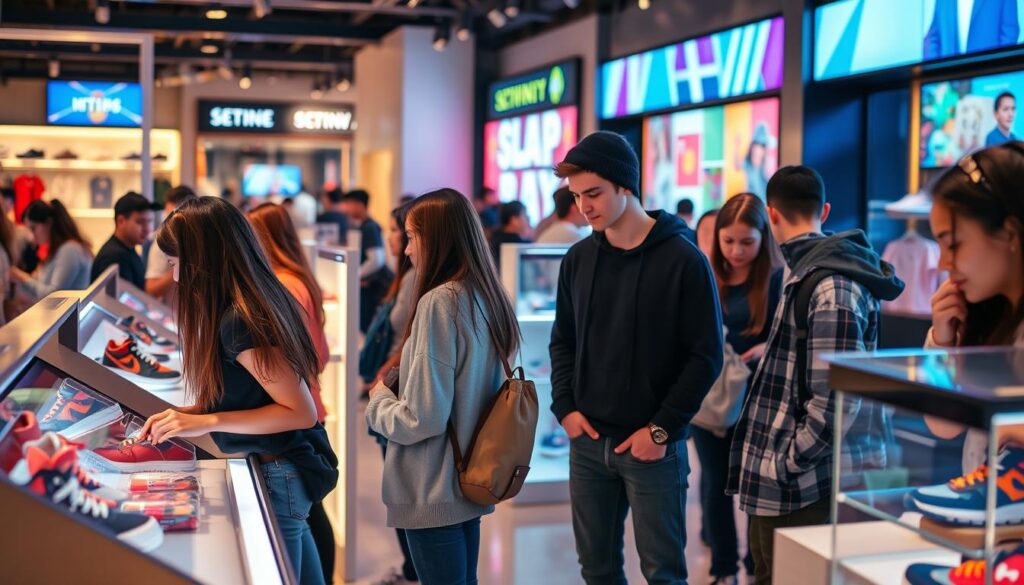
Retailers are responding to this cultural shift by redesigning their physical environments to be highly visual and interactive. The “Instagrammable” factor has become a crucial strategy for brands looking to capture the attention of younger shoppers. By creating spaces that are inherently shareable, stores turn a simple shopping trip into a social event.
This approach effectively bridges the gap between physical retail and digital social currency. When a store offers a unique backdrop or an immersive installation, it encourages visitors to document their presence online. This seamless integration of the physical and digital worlds ensures that brands remain relevant in the eyes of a generation that values social validation as much as quality.
Personalization and the Demand for Customization
The modern marketplace is defined by a constant tug-of-war between the desire for hyper-relevant shopping and the need for digital privacy. Young consumers in the United States increasingly expect brands to anticipate their needs, yet they remain deeply skeptical about how their personal information is handled. Achieving success in personalized retail requires a nuanced approach that prioritizes transparency above all else.
Data Privacy Concerns versus Personalized Recommendations
While many shoppers enjoy the convenience of curated suggestions, they are becoming more protective of their digital footprints. This creates a unique challenge for companies that rely on data to drive engagement. Brands must demonstrate that they are using data to enhance the user experience rather than simply tracking behavior for intrusive advertising.
“Trust is the new currency of the digital age; if you lose it, you lose the customer forever.”
To navigate this balance, successful retailers are adopting the following strategies:
- Providing clear, jargon-free explanations of how data is collected.
- Offering users granular control over their privacy settings.
- Focusing on zero-party data, where customers voluntarily share their preferences.
The Success of Direct-to-Consumer Subscription Models
Direct-to-consumer (DTC) subscription models have mastered the art of using data to provide recurring value. By analyzing purchase history and feedback, these brands create highly specific boxes or services that feel like they were designed for the individual. This level of personalized retail fosters a sense of community and long-term loyalty that traditional stores often struggle to replicate.
Whether it is a curated fashion service or a niche hobby box, these models thrive because they solve the problem of choice paralysis. For those interested in how global trends influence local markets, exploring resources like futebol-uk-p1 can offer insights into how niche interests drive consumer behavior. Ultimately, when brands use data to provide genuine utility, consumers are far more willing to share their information in exchange for a tailored experience.
The Resale Revolution and Secondhand Shopping
The way young Americans shop for clothes is undergoing a massive transformation. Instead of rushing to the mall for the latest trends, many consumers are turning to digital marketplaces to find unique, pre-loved pieces. This secondhand market growth reflects a deeper desire to express individuality while moving away from the cycle of fast fashion.
The Growth of Platforms like Depop and ThredUp
Digital platforms have turned thrifting into a seamless, social experience. Apps like Depop and ThredUp have successfully gamified the process of buying and selling used goods. By creating community-focused interfaces, these companies have made it easy for users to curate their own digital storefronts.
This shift has normalized the idea of wearing clothes that have had a previous life. Young shoppers now view these platforms as essential tools for discovering vintage gems or high-quality staples at a fraction of the original price. The secondhand market growth is largely fueled by this accessibility and the thrill of the hunt.
Environmental Impact as a Motivator for Thrift Culture
Beyond style, environmental consciousness serves as a primary driver for this change in behavior. Many young people are acutely aware of the waste generated by the traditional garment industry. By choosing to buy used, they are actively participating in a circular economy that extends the lifespan of products.
This commitment to sustainability is not just a trend; it is a core value for many modern shoppers. They prefer to support brands and habits that reduce their carbon footprint. The following table highlights why this shift is so significant for the future of retail.
| Feature | Traditional Retail | Resale Platforms |
|---|---|---|
| Environmental Impact | High waste/carbon | Low waste/circular |
| Product Uniqueness | Mass-produced | One-of-a-kind finds |
| Price Point | Fixed/High | Flexible/Affordable |
| Shopping Experience | Transactional | Community-driven |
Ultimately, the secondhand market growth represents a fundamental change in how we define value. As more consumers prioritize the planet, the resale industry will likely continue to expand. This movement proves that style and sustainability can go hand in hand.
Health, Wellness, and the Holistic Consumer
Today, holistic wellness trends are fundamentally reshaping how young Americans interact with brands. Consumers no longer view health as a separate category; instead, they see it as an essential component of their daily lifestyle choices. This shift encourages companies to adopt a more empathetic and transparent approach to product development.

Mental Health Awareness in Product Marketing
Brands are increasingly integrating mental health support into their core messaging to build deeper connections with their audience. Many companies now highlight stress reduction and emotional balance as key benefits of their offerings. This empathetic strategy resonates strongly with a generation that prioritizes self-care and mindfulness.
Marketing campaigns often feature themes of inclusivity and psychological safety. By acknowledging the challenges of modern life, brands position themselves as partners in the consumer’s journey toward better mental health. This approach fosters long-term loyalty and trust among younger demographics.
The Demand for Clean Label and Plant-Based Alternatives
The surge in interest regarding what goes into our bodies has led to a massive demand for clean labels. Young shoppers actively seek out products with simple, recognizable ingredients while avoiding artificial additives. This preference for transparency is a hallmark of current holistic wellness trends.
Furthermore, the shift toward plant-based alternatives continues to gain momentum across the United States. Whether it is dairy-free milk or meat substitutes, these options are now viewed as standard rather than niche. The following table highlights how these preferences influence various market segments:
| Product Category | Primary Consumer Driver | Market Impact |
|---|---|---|
| Plant-Based Foods | Environmental & Health | High Growth |
| Clean Label Snacks | Ingredient Transparency | Increased Trust |
| Mental Wellness Apps | Stress Management | High Engagement |
Ultimately, these choices reflect a broader commitment to personal well-being. By aligning their purchasing power with their values, young consumers are driving a health-conscious revolution that shows no signs of slowing down.
The Blurring Lines Between Physical and Digital Retail
American youth retail trends are currently defined by a seamless blend of digital convenience and physical interaction. Young consumers no longer view online and offline shopping as separate activities. Instead, they expect a fluid journey that moves effortlessly between their smartphones and brick-and-mortar locations.
Omnichannel Shopping Experiences
Retailers are prioritizing omnichannel retail strategies to meet these high expectations. This approach ensures that a customer can start a search on a social media app, check local inventory, and then pick up the item in person within hours. By integrating these systems, brands create a cohesive narrative that keeps shoppers engaged regardless of the platform.
Successful companies now use data to provide personalized offers that work both online and in-store. This level of connectivity is essential for maintaining loyalty among a generation that values efficiency above all else. When the digital and physical worlds align, the result is a frictionless path to purchase.
The Role of Augmented Reality in Virtual Try-Ons
Technology is playing a massive role in removing the barriers that once kept young shoppers from buying online. Augmented reality (AR) has become a game-changer for categories like cosmetics, eyewear, and footwear. By allowing users to visualize products on themselves before clicking “buy,” brands are significantly reducing purchase hesitation.
This immersive tech provides a sense of confidence that static images simply cannot match. As omnichannel retail continues to evolve, we can expect AR to become a standard feature in the shopping journey. It bridges the gap between the convenience of home shopping and the tactile certainty of a physical store visit.
Community-Driven Commerce and Social Commerce
The rise of social commerce is fundamentally changing how American youth interact with brands. By integrating the path to purchase directly into social media apps, companies are successfully reducing friction in the buying process. This shift allows users to discover, evaluate, and buy products without ever leaving their favorite platforms.
This evolution creates a sense of belonging that traditional retail often lacks. When shopping becomes a shared experience, it fosters deeper connections between the brand and the consumer. Community-driven commerce is not just about the transaction; it is about participating in a lifestyle that feels authentic and personal.
Shopping Directly Through Social Media Apps
Platforms like TikTok and Instagram have transformed into virtual storefronts. Users can now browse curated feeds and complete payments with just a few taps. This seamless integration keeps the momentum of discovery alive, turning casual scrolling into immediate sales.
By removing the need to navigate to external websites, brands see a significant increase in conversion rates. This convenience is essential for younger generations who value speed and efficiency. Furthermore, these apps provide personalized recommendations that align with individual interests, making the shopping experience feel tailored and relevant.
The Power of User-Generated Content in Building Trust
Authenticity is the primary currency in the digital age. Young shoppers rely heavily on peer recommendations and real-world demonstrations rather than polished corporate advertisements. When a creator shares a genuine review, it builds instant credibility that traditional marketing struggles to replicate.
This trend also plays a vital role in promoting sustainable consumerism. Peer-to-peer sharing often highlights ethical brands and long-lasting products, encouraging others to make more conscious choices. By leveraging user-generated content, brands can create effective sales funnels that prioritize transparency and community values.
| Feature | Traditional Retail | Social Commerce |
|---|---|---|
| Discovery | In-store browsing | Algorithmic feeds |
| Trust Factor | Brand reputation | Peer reviews/UGC |
| Purchase Path | Multi-step checkout | One-click integration |
| Primary Goal | Inventory turnover | Community engagement |
Conclusion
Modern brands face a unique landscape shaped by the rapid evolution of Tendências de consumo entre jovens americanos. Success in this market requires a deep commitment to authenticity and sustainable practices. Companies that prioritize these values build lasting trust with their audience.
Digital integration remains a vital component for any business aiming to stay relevant. Leaders like Nike and Apple demonstrate how blending physical experiences with seamless technology captures attention. These brands understand that today’s shoppers value convenience as much as they value personal expression.
Tracking the latest Tendências de consumo entre jovens americanos provides a roadmap for long-term growth. Businesses must remain agile to meet the shifting expectations of this demographic. Balancing high-tech solutions with genuine human connection creates a powerful competitive advantage.
What steps will your brand take to align with these emerging habits? Share your thoughts on how you plan to innovate in this space. Engaging with your community is the best way to ensure your strategy resonates with the next generation of buyers.