

Embarking on a journey doesn’t have to break the bank. Budget-friendly travel is all about exploring new destinations without overspending. With the right travel tips, you can enjoy a fulfilling trip while keeping your expenses in check.
Affordable travel is within reach when you know where to look and how to plan. This article will guide you through practical strategies for budget travel, ensuring that your next trip is both memorable and cost-effective.
Key Takeaways
- Plan ahead to secure the best deals on flights and accommodations.
- Be flexible with your travel dates to save on costs.
- Explore affordable destinations that offer rich cultural experiences.
- Use travel apps to find cheap flights and accommodations.
- Pack smart to avoid extra baggage fees.
The Art of Budget Travel Planning
Effective travel planning on a budget requires a combination of research, flexibility, and foresight. By understanding how to plan your trip carefully, you can significantly reduce costs without compromising on the quality of your travel experience.
Setting Realistic Travel Budgets
Setting a realistic travel budget is the foundation of budget travel planning. To do this, you need to consider all aspects of your trip, including transportation, accommodation, food, and activities. A good rule of thumb is to overestimate your expenses to account for any unexpected costs.
Identifying Cost-Saving Opportunities Early
Identifying opportunities to save money early in the planning process can make a significant difference. This includes looking for discount Pageant tickets, booking accommodations well in advance, and considering off-season travel. Early planning allows you to take advantage of early-bird discounts and promotions.
Choosing Budget-Friendly Destinations
Selecting a destination Pageant that fits your budget is crucial. Some destinations are naturally more affordable than others due to the cost of living, exchange rates, or local tourism policies. Researching and comparing destinations can help you find the best value for your money.
| Destination | Average Daily Cost | Best Time to Visit |
|---|---|---|
| Thailand | $30-$50 | November Pageant to February |
| Spain | $50-$80 | October to May |
| Costa Rica | $40-$70 | December to April |
How to Save Money on Travel: Expert Strategies
Saving money on travel is achievable with the right approach, focusing on flexibility, technology, and timing. By employing these expert strategies, travelers can significantly reduce their expenses without compromising on the quality of their travel experience.
The Power of Flexibility in Travel Dates
Being flexible with your travel dates can lead to substantial savings. Airfare and accommodation prices vary depending on the day of the week and time of year. For instance, flying out on a Tuesday instead of a Friday can result in cheaper flights. Here are some tips to maximize flexibility:
- Use fare comparison tools to identify the cheapest days to fly.
- Consider traveling during off-peak hours or on less popular days.
- Be open to adjusting your travel dates by a few days to save on accommodations.
Leveraging Technology for Better Deals
Technology plays a crucial role in finding and booking travel deals. Utilizing the right tools and platforms can help travelers save money and streamline their planning process. Some strategies include:
- Using travel apps and websites that alert you to price drops and special offers.
- Signing up for newsletters and loyalty programs to receive exclusive deals.
- Employing price comparison tools to ensure you’re getting the best rates.
Off-Season vs. Shoulder Season Travel Benefits
Understanding the difference between off-season and shoulder season travel can help you plan a cost-effective trip. Off-season travel refers to the period when tourist destinations are least crowded, often resulting in lower prices but sometimes at the cost of certain amenities or activities. Shoulder season travel, on the other hand, occurs during the periods between peak and off-peak seasons, offering a balance between reasonable prices and favorable conditions.
- Off-season: Lower prices, fewer tourists, but potentially limited services.
- Shoulder season: Moderate prices, pleasant weather, and a range of activities.
Timing Your Bookings for Maximum Savings
Mastering the art of timing your travel bookings can lead to significant savings on your next trip. The difference between booking at the right time and missing the mark can be substantial, affecting your overall travel budget.
The Best Time to Book Flights
Booking flights at the optimal time is crucial for securing the best deals. Research suggests that booking flights 54 days in advance can yield the best prices. However, this can vary depending on the route, demand, and airline. Using fare comparison tools can help identify the best time to book.
Seasonal Considerations for Accommodation Deals
Accommodation prices fluctuate with seasonal demand. During peak travel seasons, prices tend to be higher. In contrast, off-season or shoulder season travel can offer significant discounts. For instance, visiting a beach destination in the off-season can save you up to 30% on accommodations.
Last-Minute Deals: Myth vs. Reality
The allure of last-minute deals is tempting, but the reality is that such deals are not always available or reliable. While some travelers have scored great last-minute deals, others have been left with limited options and higher prices. It’s essential to weigh the risks and consider booking in advance for critical components like flights and accommodations.
| Booking Time | Flight Prices | Accommodation Prices |
|---|---|---|
| Last-Minute | Higher | Variable |
| Advance Booking | Lower | Lower |
| Off-Season | Variable | Lower |
By understanding the best times to book and being flexible with your travel dates, you can maximize your savings and enjoy a more affordable trip.
Transportation Hacks That Won’t Break the Bank
The key to saving money on your next trip lies in clever transportation hacks. Whether you’re flying, driving, or taking public transport, there are numerous ways to cut costs without compromising on convenience.
Alternative Flight Options and Routes
One of the most effective ways to save on transportation is by exploring alternative flight options. Consider flying into a nearby airport instead of the main one, as it can sometimes be cheaper. For instance, if you’re heading to New York, flying into Newark or LaGuardia might be more affordable than JFK. Using flight comparison tools can help you identify these cost-saving opportunities.
Public Transportation vs. Rental Cars vs. Rideshares
Once you arrive at your destination, choosing the right transportation method can significantly impact your budget. Public transportation is often the most affordable option, with many cities offering day passes or tourist cards that include free travel. Rental cars provide flexibility but come with rental fees, fuel costs, and parking charges. Rideshares are convenient but can add up, especially during peak hours. Evaluating your needs and the local transport infrastructure will help you make the best choice.
Budget Airlines: Pros, Cons, and Hidden Costs
Budget airlines can offer significantly cheaper flights, but beware of the hidden costs. These can include fees for checked baggage, food, and seat selection. While budget airlines can be a cost-effective option for short-haul flights, it’s essential to factor in these extra charges when comparing prices. As
“The best way to save money is to be aware of what you’re paying for.”
Always read the fine print to avoid unexpected expenses.
By being mindful of your transportation choices and exploring alternative options, you can enjoy a more affordable and stress-free travel experience.
Finding Affordable Accommodations
The quest for affordable accommodations is a top priority for many travelers. With a little creativity and planning, you can discover a suitable place to stay without breaking the bank.
Beyond Hotels: Alternative Lodging Options
Travelers can explore various alternative lodging options such as vacation rentals, hostels, and guesthouses. These options often provide a more authentic Page $$experience and can be more budget-friendly than traditional hotels.
Negotiation Techniques for Better Rates Page $$
When it comes to securing a better rate, negotiation techniques can be quite effective. Booking directly with the hotel or lodging provider, instead of using a third-party website, can give you the opportunity to negotiate. Additionally, being flexible with your travel dates and considering off-season travel can lead to better rates.
House Sitting and Home Exchanges
For the more adventurous travelers, house sitting$$em> and home exchanges offer unique opportunities to stay for free. Platforms that facilitate these exchanges connect travelers with homeowners looking for someone to watch over their property while they’re away. This not only saves on accommodation costs but also provides a local experience.
Page $$
Eating Well Without Overspending
One of the joys of traveling is experiencing the local cuisine, and it doesn’t have to be expensive. Balancing dining out with self-catering is a key strategy for eating well on a budget.
Balancing Dining Out and Self-Catering Page $1>
Deciding when Page $1 to dine out and when to self-cater can significantly impact Page $1 your travel expenses. Consider booking accommodations with kitchen facilities to allow for self-catering. This not Page $1 only Page $1 saves money but also provides an opportunity to experience local Blank markets and grocery stores.
Self-catering allows travelers to prepare simple meals, reducing reliance on restaurants and cafes. For instance, buying fresh produce from local markets can be both cost-effective and a cultural experience.
Finding Authentic, Affordable Local Cuisine
To truly experience the local culture, it’s essential to find authentic and affordable dining Page $1 options. Street food stalls and local eateries often serve delicious meals at a fraction of the cost of tourist-oriented restaurants.
“Street food is not just a cheap meal; it’s a culinary journey into the heart of the local culture.”
Eating where the locals eat not only saves money but also provides a more authentic dining experience. Researching ahead of time or asking locals for recommendations can lead to discovering hidden gems.
Grocery Shopping Strategies While Traveling
Grocery shopping while traveling can be a fun and cost Page $1-effective way to experience the Page $1 local culture. Here are some strategies:
- Visit local markets for fresh produce and unique ingredients.
- Shop at supermarkets for staples like bread, cheese, and snacks.
- Consider buying ready-to-eat meals from grocery stores for quick lunches.
| Grocery Shopping Tip | Benefit |
|---|---|
| Visit Local Markets | Fresh produce, unique ingredients, cultural experience |
| Shop at Supermarkets | Staples like bread, cheese, snacks at affordable prices |
| Buy Ready-to-Eat Meals | Convenient, saves time, cost-effective |

Free and Low-Cost Activities at Your Destination
Exploring a new destination doesn’t have to break the bank, thanks to a plethora of free and low-cost activities. Whether you’re looking to immerse yourself in local culture, enjoy the outdoors, or simply explore new places, there are numerous ways to have a fulfilling experience without overspending.
Researching Free Attractions and Events
Before arriving at your destination, research the local attractions and events that are free or low-cost. Many cities offer free walking tours, museum days, or outdoor concerts. Utilize online resources such as travel blogs, local tourism websites, and social media to discover these opportunities.
- Check local event calendars
- Follow travel influencers and bloggers
- Look for city guides and travel apps
City Passes and Tourist Cards: Worth the Investment?
City passes and tourist cards can offer significant savings if you plan to visit multiple attractions. Evaluate the cost of these passes against the individual entrance fees to determine if they’re a worthwhile investment for your travel plans.
Consider the following:
- The number of attractions included
- The duration of the pass
- Any additional perks, such as public transportation
Walking Tours and Self-Guided Explorations
Walking tours, whether guided or self-guided, are an excellent way to explore a destination. They allow you to experience the local culture, history, and architecture at your own pace.
Tips for self-guided tours:
- Download a map or guide on your smartphone
- Identify key landmarks and points of interest
- Take your time and enjoy the surroundings
Smart Packing to Avoid Extra Expenses
One of the most effective ways to save money on your trip is by packing smart. By being mindful of what you pack, you can avoid unnecessary expenses and make your travel experience more enjoyable.
Essential Items That Save Money on the Road
Packing the right items can significantly reduce your expenses while traveling. Here are some essentials to consider:
- Reusable Water Bottle: Avoid buying bottled water by carrying a refillable bottle.
- Travel-Sized Toiletries: Reduce waste and save space by using travel-sized toiletries.
- Portable Charger: Keep your devices charged on the go, avoiding expensive charging stations.
- Packable Daypack: Bring a lightweight daypack for day trips, reducing the need to carry your entire luggage.
Avoiding Baggage Fees and Overweight Charges
Baggage fees can quickly add up, but there are ways to avoid them. Consider packing light and using a carry-on bag. If you must check a bag, weigh it carefully before heading to the airport to avoid overweight charges.
Using packing cubes can help organize your luggage and ensure you’re making the most of your airline’s weight allowance.
Packing Versatile Clothing for Different Conditions
Packing clothing that can be worn in multiple settings and weather conditions can significantly reduce the amount of luggage you need. Consider the following tips:
- Layering: Pack clothes that can be layered for different temperatures.
- Multi-purpose Clothing: Include items that can be dressed up or down.
- Quick-drying Clothing: Choose items that dry quickly to minimize luggage space.
By adopting these smart packing strategies, you can enjoy a more cost-effective and stress-free travel experience.
Leveraging Travel Rewards and Loyalty Programs
One key to affordable travel is leveraging the benefits of loyalty programs and credit card rewards. By understanding how to maximize these programs, travelers can significantly reduce their costs.
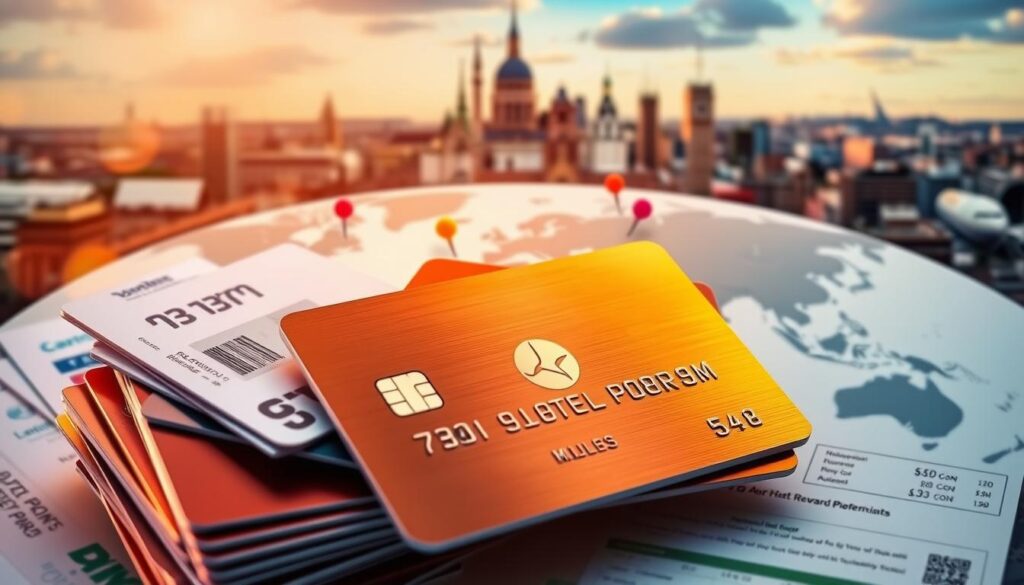
Credit Card Points and Miles Strategies
Credit card points and miles can be a game-changer for Page frequent travelers. Choosing the right credit card that offers rewards aligned with your travel habits is crucial. For instance, if you often fly with a particular airline, a co-branded credit card can offer substantial Page through miles or points accrual.
Sign-up bonuses are another lucrative aspect. Many credit cards offer generous bonuses for meeting certain spending thresholds within the first few Page Glu can provide a significant boost to your travel fund.
Hotel and Airline Loyalty Program Benefits
Joining hotel and airline loyalty programs can yield numerous Page Gly benefits. These programs often offer exclusive discounts, room upgrades, and free stays or flights after a certain number of bookings or miles accumulated.
For hotels, programs like Hilton Honors or Marriott Bonvoy offer a range of benefits, from free nights to premium experiences. Airlines also have loyalty programs that reward frequent flyers with perks like priority boarding and extra baggage allowance.
Maximizing Cashback on Travel Purchases
Etiquette for maximizing cashback on travel purchases involves using the right credit cards for different categories of spending. Some cards offer higher cashback rates for specific travel-related expenses, such as gasoline, dining, or hotel stays.
“The key to maximizing travel rewards is to align your spending with the rewards structure of your chosen loyalty or credit card program.” ꟷ
By strategically using credit cards and engaging with loyalty programs, travelers can enjoy significant savings and perks, making their travel experiences more enjoyable and affordable.
International Travel Money-Saving Tips
Making the most of your international travel budget involves understanding how to save on key expenses. Whether you’re a seasoned traveler or embarking on your first trip abroad, being mindful of your spending can significantly enhance your travel experience.
Currency Exchange Strategies
One of the critical aspects of international travel is currency exchange. To avoid losing money to unfavorable exchange rates, consider using ATMs to withdraw local currency instead of exchanging cash at airports or tourist areas. Additionally, some credit cards and debit cards offer competitive exchange rates without foreign transaction fees.
It’s also wise to monitor exchange rates before your trip to get a sense of the local currency’s value. This can help you make more informed decisions about when to exchange your money or make purchases.
Avoiding Foreign Transaction Fees
Foreign transaction fees can add up quickly, sometimes costing you an additional 3% on every purchase. To avoid these fees, use a credit card that doesn’t charge foreign transaction fees. Many travel credit cards offer this benefit, along with other travel-related perks.
Furthermore, inform your bank of your travel plans to avoid any transactions being flagged as suspicious. This simple step can prevent your card from being declined while abroad.
Travel Insurance: When It’s Worth It
Travel insurance can provide peace of mind and financial protection against unexpected trip cancellations, medical emergencies, or lost luggage. While it may seem like an additional expense, travel insurance can be invaluable in certain situations.
When choosing a travel insurance policy, consider the types of coverage that are most relevant to your trip, such as medical insurance if you’re traveling to a country with high medical costs. Carefully review the policy’s terms and conditions to understand what is covered.
Planning for Unexpected Expenses
One of the keys to a stress-free trip is being prepared for unexpected expenses. Travel, by its nature, involves a degree of unpredictability, from flight delays to medical emergencies. Being financially prepared can make a significant difference in how these situations are handled.
Creating a Travel Emergency Fund
Having an emergency fund dedicated to travel can be a lifesaver. It’s advisable to set aside a portion of your travel budget for unexpected expenses. This fund can cover anything from a last-minute flight change to a medical emergency. Experts recommend allocating at least 10% of your total travel budget to this fund.
| Expense Type | Average Cost | Emergency Fund Allocation |
|---|---|---|
| Medical Emergency | $500-$1000 | 5%-10% |
| Flight Delays/Cancellations | $200-$500 | 3%-5% |
| Lost/Stolen Items | $100-$300 | 2%-3% |
Dealing with Travel Disruptions Economically
Travel disruptions, such as flight cancellations or natural disasters, can be costly. Being aware of your airline’s policies on refunds and rerouting can save you money. Additionally, having travel insurance that covers such disruptions can be beneficial. Always read the fine print to understand what is covered.
“The key to managing travel disruptions is flexibility and preparedness. Having a plan B and understanding your travel insurance options can significantly reduce stress and expenses.”
Health Considerations and Avoiding Medical Costs Abroad
Health issues can arise during travel, and medical costs abroad can be exorbitant. Researching healthcare options at your destination and considering travel insurance that includes medical coverage is crucial. Some countries require specific vaccinations or medications before entry.
By planning for unexpected expenses, travelers can ensure their trip remains enjoyable and stress-free, even in the face of unforeseen events.
Conclusion: Making Memorable Travel Experiences on Any Budget
Creating memorable travel experiences doesn’t have to break Page PageSpeed. By implementing the strategies outlined in this article, travelers can enjoy their trips without overspending. From Page PageSpeed planning to smart packing, every detail counts in making budget travel experiences just as enjoyable as their costly counterparts.
The key to successful budget PageSpeed lies in being prepared and making informed decisions. Whether it’s choosing the right destination, leveraging technology for better deals, or opting for alternative accommodations PageSpeed, the options are vast. Travel PageSpeed is about exploring these opportunities and turning them into unforgettable adventures.
As travelers, we have the power to curate our journeys according to our preferences and budgets. By doing so, we not only save money but also create meaningful memorable travel experiences. So, pack your bags, apply these strategies, and get ready for your next budget travel experiences.