

Achieving a radiant complexion is rarely the result of a single miracle product. Instead, it stems from a dedicated, lifelong commitment to your daily habits. True beauty begins with understanding that your face reflects both your internal wellness and your external environment.
Consistency remains the most vital factor in maintaining healthy skin. Rather than seeking quick fixes for temporary issues, focus on building a sustainable routine that supports your natural barrier. By prioritizing long-term health over instant results, you create a foundation for lasting vitality.
Embracing a thoughtful approach to skin care allows you to adapt to changing needs throughout the seasons. This journey is about nurturing your body and mind to ensure you look and feel your absolute best every single day.
Key Takeaways
- Consistency is the primary driver of long-term dermatological health.
- Internal wellness significantly impacts your external appearance.
- Avoid relying on quick fixes that offer only temporary benefits.
- A sustainable routine adapts to your changing environmental needs.
- Prioritize habits that support your natural moisture barrier.
Understanding Your Unique Skin Type
Every face tells a story, and identifying your skin type is the first chapter in that narrative. Before you invest in expensive serums or complex routines, you must decode the specific needs of your complexion. This essential step ensures you select products that nourish rather than cause irritation or imbalance.
Identifying Oily, Dry, and Combination Skin
To determine your profile, observe how your face feels a few hours after cleansing. If your skin feels tight, flaky, or rough, you likely have dry skin. This type often lacks sufficient moisture and may appear dull without proper hydration.
Conversely, if your face appears shiny or feels greasy by midday, you are likely dealing with oily skin. This condition often results from overactive sebaceous glands that produce excess sebum. Many people experience combination skin, which features an oily T-zone—the forehead, nose, and chin—while the cheeks remain dry or normal.
The Role of Genetics and Environment
Your biological blueprint plays a significant role in determining your baseline texture and oil production. Genetics dictate the size of your pores and how your skin naturally retains moisture over time. However, these traits are not static and can shift throughout your life.
Environmental factors also exert a powerful influence on your skin type. Harsh climates, high humidity, and even indoor heating systems can strip away natural oils or trigger excess production. Adapting your routine to these external changes is crucial for maintaining long-term health and a balanced, radiant appearance.
The Foundational Pillars of Effective Skin Care
Your skin thrives when you provide it with consistent care rather than overwhelming it with intense treatments. Many enthusiasts believe that adding more products to their regimen will yield faster results, but this often leads to irritation. Focusing on the health of your skin barrier is the most reliable way to achieve a lasting, healthy glow.
Why Consistency Outperforms Intensity
The secret to effective skin care lies in the daily habits you maintain over time. When you use too many active ingredients at once, you risk disrupting the delicate balance of your moisture mantle. This disruption can lead to redness, dryness, and increased sensitivity.
“The skin is a living organ that requires patience and gentle support, not a constant barrage of harsh chemicals.”
By sticking to a predictable skincare routine, you allow your cells to recover and regenerate properly. Consistency ensures that your protective skin barrier remains intact, which is essential for locking in hydration. You will notice that steady, gentle application produces far better results than sporadic, aggressive treatments.
The Importance of a Minimalist Routine
A minimalist approach simplifies your life while protecting your complexion from unnecessary stress. When you limit your products to the essentials, you can easily identify which items truly benefit your unique needs. This strategy prevents the common mistake of overloading the pores with conflicting formulas.
Adopting a streamlined skincare routine is also more sustainable for your budget and your schedule. It encourages you to focus on high-quality basics that support your skin care goals without causing inflammation. The following table highlights the key differences between a minimalist approach and an overloaded regimen.
| Feature | Minimalist Routine | Overloaded Routine |
|---|---|---|
| Product Count | 3-4 Essentials | 8+ Products |
| Skin Barrier | Protected and Strong | Compromised and Irritated |
| Adherence | High Consistency | Low Consistency |
| Cost | Budget-Friendly | Expensive |
Ultimately, a simple skin care regimen helps you maintain a healthy skin barrier by reducing the risk of adverse reactions. By choosing quality over quantity, you empower your skin to function at its absolute best every single day.
Mastering the Art of Cleansing
Effective cleansing removes daily grime without stripping your skin of its natural protective oils. This essential step prepares your face to absorb active ingredients from serums and moisturizers. Without a clean canvas, even the most expensive products may fail to penetrate the surface effectively.
Choosing the Right Cleanser for Your Needs
Selecting the correct formula depends entirely on your specific skin type and current concerns. Using a product that is too harsh can disrupt your moisture barrier, while one that is too gentle might leave behind excess sebum. Understanding your skin’s unique requirements is the first step toward a balanced complexion.
Gel Cleansers for Oily Skin
If you struggle with excess shine or frequent breakouts, a gel-based formula is often the best choice. These products are designed to penetrate deep into the pores to dissolve oil and debris. Consistency is key when managing oily skin, as these cleansers provide a refreshing, deep clean without leaving a heavy residue behind.
Cream Cleansers for Dry Skin
Individuals with dry skin should prioritize formulas that offer hydration alongside purification. Cream cleansers contain nourishing ingredients like glycerin or botanical oils that soothe tightness during the wash. These gentle options ensure that your skin remains supple and comfortable throughout the day.
| Cleanser Type | Best For | Key Benefit |
|---|---|---|
| Gel | Oily Skin | Deep pore purification |
| Cream | Dry Skin | Moisture retention |
| Oil-Based | All Types | Makeup removal |
The Double Cleansing Method Explained
The double cleansing method is a highly effective technique for removing stubborn sunscreen and long-wear makeup. You begin by using an oil-based balm or micellar water to break down surface impurities. Following this with a water-based cleanser ensures that every trace of dirt is washed away.
This two-step process prevents clogged pores and promotes a clearer, more radiant appearance. By incorporating this cleansing routine into your evening schedule, you allow your skin to recover fully while you sleep. It is a simple yet transformative habit for anyone serious about their skin health.
Hydration Strategies for a Dewy Glow
Achieving a radiant complexion starts with understanding how your skin holds onto moisture. While many people confuse hydration with oiliness, they are actually quite different. Proper hydration refers to the water content within your skin cells, which is essential for a plump and healthy appearance.

Humectants Versus Occlusives
To maintain a dewy glow, you must balance two specific types of ingredients: humectants and occlusives. Humectants act like magnets, drawing moisture from the air or deeper layers of the skin to the surface. They are excellent for providing an immediate boost of hydration to thirsty cells.
Occlusives, on the other hand, serve as a protective seal. They sit on top of the skin to prevent transepidermal water loss, ensuring that the moisture provided by your other products stays locked in. Without an occlusive layer, the water drawn in by humectants can simply evaporate, leaving your skin feeling dry again.
Incorporating Hyaluronic Acid and Glycerin
Hyaluronic acid and glycerin are two of the most effective humectants available today. Hyaluronic acid is famous for its ability to hold up to 1,000 times its weight in water, making it a powerhouse for a radiant complexion. It works best when applied to slightly damp skin, allowing it to pull that extra water into the epidermis.
Glycerin is a classic, reliable ingredient that is often overlooked in favor of trendier options. It is highly effective at smoothing the skin texture and improving the barrier function. By layering these ingredients under a light moisturizer, you create a robust system for long-lasting hydration.
| Ingredient Type | Primary Function | Best For |
|---|---|---|
| Humectant | Attracts water molecules | Dehydrated skin |
| Occlusive | Seals in moisture | Dry or flaky skin |
| Emollient | Softens skin texture | Rough or uneven skin |
The Role of Exfoliation in Skin Renewal
Regular exfoliation serves as a vital step in removing dull, dead skin cells to reveal a fresher surface. By encouraging natural cell turnover, this process helps your complexion appear more radiant and smooth. It is a fundamental practice for maintaining healthy, glowing skin over time.
Physical Versus Chemical Exfoliants
Physical methods involve using manual tools or scrubs to buff away surface debris. These often include sugar scrubs, facial brushes, or sponges that provide immediate tactile results. However, they require a gentle touch to avoid causing micro-tears on the skin surface.
Chemical alternatives use acids or enzymes to dissolve the bonds between dead skin cells. These formulas are often more precise and provide a deeper, more uniform result than manual scrubbing. Many dermatologists prefer these for their ability to penetrate pores effectively.
| Method Type | Primary Mechanism | Best For |
|---|---|---|
| Physical | Manual friction | Instant smoothness |
| AHA (Chemical) | Surface dissolving | Dry, dull skin |
| BHA (Chemical) | Oil-soluble penetration | Oily, acne-prone skin |
Safe Usage of AHAs and BHAs
Alpha Hydroxy Acids (AHAs) like glycolic and lactic acid work best for surface-level brightening. They are water-soluble and ideal for those looking to improve skin texture and tone. Always start with a lower concentration to see how your skin reacts to the treatment.
Beta Hydroxy Acids (BHAs), such as salicylic acid, are oil-soluble and dive deep into the pores. This makes them highly effective for clearing out congestion and preventing breakouts. Using these ingredients consistently, but not excessively, is the key to long-term success.
Managing Sensitivity and Over-Exfoliation
It is easy to get carried away when you see positive results, but moderation is essential. Over-exfoliation can strip your natural oils and damage the protective skin barrier. If your face feels tight, red, or irritated, you should pause your routine immediately.
Focus on hydration and soothing ingredients to help your skin recover its natural balance. Listen to your skin and adjust your frequency based on how it feels each day. Protecting your barrier is just as important as the renewal process itself.
Protecting Your Skin from Environmental Damage
External stressors are constantly working to compromise your skin barrier. From harsh UV rays to invisible pollution, your face faces a barrage of threats every time you step outside. Building a robust defense system is essential to maintain long-term health and a youthful appearance.
By incorporating specific protective measures, you can neutralize these threats before they cause lasting harm. Consistency is the secret to keeping your complexion resilient against the elements.
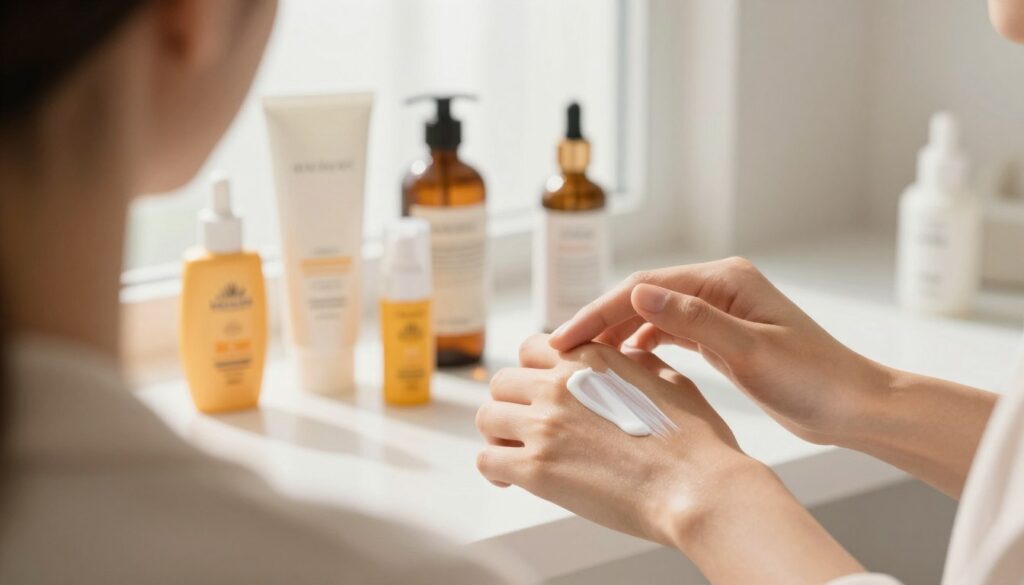
The Non-Negotiable Daily SPF Requirement
Applying SPF is the single most effective way to prevent premature aging and sun damage. Many people mistakenly believe that sunscreen is only necessary during summer months or beach trips. However, UV radiation reaches your skin even on cloudy days or through office windows.
Making sunscreen a non-negotiable part of your morning routine ensures that your skin remains shielded from harmful rays. Consider these key benefits of daily application:
- Prevents the breakdown of collagen and elastin fibers.
- Reduces the risk of developing dark spots and hyperpigmentation.
- Maintains an even skin tone by blocking UV-induced inflammation.
- Supports the overall integrity of your protective moisture layer.
Antioxidants and Vitamin C Serums
While sunscreen acts as a physical shield, antioxidants work from within to repair and protect your cells. These powerful compounds neutralize free radicals, which are unstable molecules generated by pollution and sun exposure. When left unchecked, these molecules accelerate the degradation of your skin barrier.
Incorporating a high-quality Vitamin C serum into your morning routine provides a significant boost to your defense strategy. This potent ingredient helps to brighten your complexion while fighting off oxidative stress. When paired with your daily SPF, these products create a comprehensive barrier that keeps your skin looking vibrant and healthy throughout the day.
Targeted Treatments for Common Concerns
When your standard routine falls short, it is time to introduce targeted treatments to your regimen. While a basic routine maintains health, specific issues often require specialized active ingredients to see real change. Selecting the right product ensures you address the root cause without disrupting your skin barrier.
Addressing Hyperpigmentation and Dark Spots
Dealing with hyperpigmentation requires a consistent approach using ingredients that inhibit melanin production. Look for serums containing Vitamin C, kojic acid, or tranexamic acid to brighten your complexion over time. Always apply these treatments to clean, dry skin to ensure maximum absorption.
Managing Fine Lines and Texture
To improve skin texture and minimize the appearance of fine lines, retinoids remain the gold standard. These derivatives of Vitamin A encourage cell turnover, revealing smoother skin beneath. If you are new to these potent ingredients, start with a low concentration to allow your skin to adjust gradually.
Soothing Redness and Inflammation
When dealing with persistent skin inflammation, the goal is to calm and protect the barrier. Ingredients like centella asiatica, colloidal oatmeal, and ceramides work wonders to reduce heat and sensitivity. Avoid harsh physical scrubs or high-strength acids until your skin feels balanced and comfortable again.
The following table outlines the best ingredients to reach for when you need to tackle specific dermatological goals effectively.
| Concern | Recommended Ingredient | Primary Benefit |
|---|---|---|
| Hyperpigmentation | Vitamin C | Brightens dark spots |
| Fine Lines | Retinol | Boosts collagen production |
| Skin Inflammation | Centella Asiatica | Calms redness and irritation |
| Rough Texture | Lactic Acid | Gently refines skin surface |
Lifestyle Habits That Impact Skin Health
Achieving a healthy complexion requires looking beyond your bathroom cabinet to your daily habits. While high-quality serums and creams provide essential support, your skin is ultimately a reflection of your internal environment. By focusing on holistic wellness, you can create the perfect conditions for a vibrant and clear appearance.
The Connection Between Diet and Complexion
What you put into your body serves as the building blocks for your skin cells. A balanced diet and skin health are inextricably linked, as nutrient-dense foods provide the vitamins and minerals necessary for repair. Incorporating colorful fruits, vegetables, and healthy fats can help reduce systemic inflammation that often manifests as breakouts or dullness.
Conversely, diets high in processed sugars and refined carbohydrates may trigger spikes in insulin. These fluctuations can lead to increased oil production and potential skin irritation. Focusing on whole foods ensures your body receives the antioxidants it needs to fight oxidative stress from the inside out.
Sleep Quality and Skin Regeneration
Sleep is not just a time for rest; it is a critical period for skin regeneration. During deep sleep, your body increases blood flow to the skin and produces growth hormones that repair damaged cells. This natural cycle is essential for maintaining a youthful texture and preventing premature signs of aging.
When you consistently miss out on quality sleep, your body produces more cortisol, the stress hormone. Elevated cortisol levels can break down collagen and disrupt the skin’s natural barrier function. Prioritizing seven to nine hours of rest each night is one of the most effective, non-invasive treatments available for your complexion.
Hydration and Internal Wellness
Proper hydration is the cornerstone of internal wellness and plays a vital role in skin elasticity. While drinking water is important, it is equally crucial to maintain a balanced lifestyle that supports your body’s moisture retention. When your internal systems are well-hydrated, your skin appears plumper, smoother, and more resilient against environmental stressors.
Beyond water intake, consider the role of stress management and regular movement in your overall wellness routine. These habits improve circulation, which helps deliver oxygen and nutrients to your skin cells more efficiently. By treating your body with care, you provide the foundation for a healthy and glowing complexion that lasts.
Common Skin Care Mistakes to Avoid
Even the most dedicated beauty enthusiasts can accidentally sabotage their progress with common skincare mistakes. While you may have the best intentions, certain habits can prevent your products from working effectively or even cause unwanted reactions. Recognizing these errors is the first step toward achieving a healthier, more vibrant complexion.
The Dangers of Over-Layering Products
It is tempting to apply every serum and cream in your cabinet, but more is not always better. Over-layering products can overwhelm your skin barrier, leading to clogged pores and unnecessary irritation. When you apply too many active ingredients at once, your skin may struggle to absorb them properly.
A balanced skincare routine should focus on quality rather than quantity. Stick to a few targeted products that address your specific needs to ensure they penetrate effectively. Overloading your face often results in a sticky residue that does more harm than good.
Ignoring the Neck and Décolletage
Many people focus exclusively on their face, forgetting that the skin on the neck and chest is just as delicate. These areas are often the first to show signs of aging because the skin is thinner and contains fewer oil glands. Extending your skincare routine downward helps maintain a consistent, youthful appearance across your entire upper body.
Always apply your cleansers, serums, and moisturizers in an upward motion toward your jawline. Do not forget to apply your daily sunscreen to these areas as well. Protecting this skin is essential for long-term health and texture maintenance.
Using Expired or Contaminated Products
Beauty products have a shelf life, and using them past their expiration date can be risky. Over time, the active ingredients in your formulas break down, rendering them ineffective. Furthermore, old products can become a breeding ground for bacteria, which may lead to breakouts or infections.
Check the small jar symbol on your packaging to see how many months a product is safe to use after opening. If a cream changes color, develops an odd smell, or separates, it is time to discard it. Being vigilant about these skincare mistakes ensures that you are only applying safe, potent ingredients to your skin.
Conclusion
Achieving your best complexion requires a commitment to long-term habits rather than quick fixes. Prioritizing skin health means staying patient while your cells cycle through their natural renewal process.
Your needs change as you age or move through different climates. Pay close attention to how your face feels after using products from brands like CeraVe or La Roche-Posay. Adjust your routine based on these subtle signals to maintain optimal skin health throughout the year.
Consistency remains the most powerful tool in your beauty arsenal. Small, daily actions build a strong barrier against external stressors and internal imbalances. Keep your regimen simple to ensure you stick with it every single day.
You hold the power to transform your appearance through informed choices. Embrace this journey toward better skin health with confidence. Share your favorite discoveries with friends or reach out to a dermatologist if you need personalized guidance for your unique concerns.